


1. Injection Molding:
- Process: Molten plastic is injected into a closed mold cavity under high pressure. The plastic cools and solidifies, taking the shape of the mold.
- Materials: Primarily used for thermoplastics like ABS, PVC, polypropylene, and nylon.
- Advantages:
- High production volumes.
- Precision and complex designs possible.
- Smooth surface finishes.
- Relatively low cost per part, especially in large runs.
- Disadvantages:
- Not suitable for metals (except for some special alloys).
- Can be expensive to create the custom injection molds.
- Limited design flexibility for undercuts.
2. Stamping:
- Process: Metal sheet is pressed between a die and a punch, forcing the metal to conform to the shape of the die.
- Materials: Typically used for sheet metal, but can be used for other materials like plastic and composites.
- Advantages:
- High-speed production.
- Can create very precise and intricate designs.
- Low cost per part in large runs.
- Disadvantages:
- Limited to relatively flat shapes.
- Can be noisy and require specialized equipment.
- Not suitable for intricate 3D designs.
3. Die Casting:
- Process: Molten metal is injected into a die under high pressure. The metal cools and solidifies, taking the shape of the die.
- Materials: Primarily used for metals like aluminum, zinc, and magnesium.
- Advantages:
- Can create complex shapes and designs.
- Relatively strong and durable parts.
- Good surface finish.
- Disadvantages:
- Requires specialized equipment and skilled operators.
- More expensive than injection molding or stamping, especially in small runs.
- Limited design flexibility for undercuts.
Which one is “better”?
There’s no single “better” option. The best process depends entirely on your specific needs and requirements:
- Material: What material do you want to use for your part?
- Shape and Complexity: What design do you need?
- Volume: How many parts do you need to produce?
- Cost: What is your budget for tooling and production?
For example:
- Injection molding is best for high-volume production of plastic parts with intricate designs.
- Stamping is best for high-volume production of flat metal parts with simple designs.
- Die casting is best for production of durable metal parts with complex shapes.
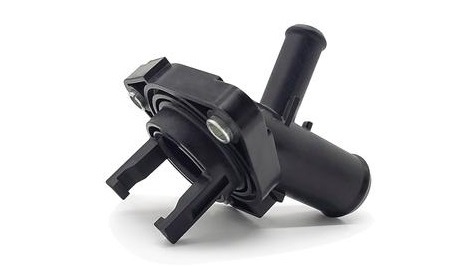
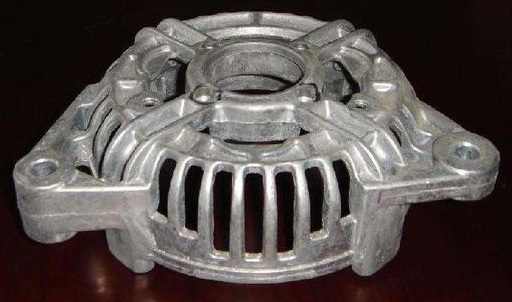
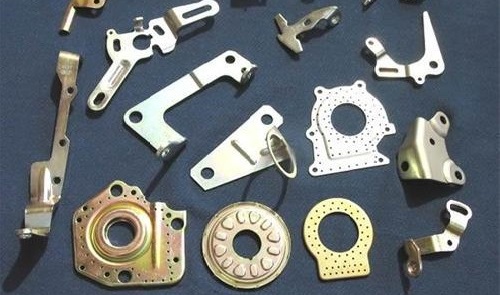
Differences in Manufacturing
As we’ve delved into the world of injection molding, stamping, and die-casting molds, it’s important to understand the key differences in the manufacturing process. Each type of mold offers unique advantages and is suited to different applications, depending on factors such as material, complexity of the part, and production volume.
When choosing the right type of mold for a project, it’s essential to consider these factors and consult with experienced mold designers and manufacturers. By understanding the differences in injection molding, stamping, and die-casting molds, you can make informed decisions that lead to successful production outcomes.
Whether you’re creating plastic components, shaping metal sheets, or producing intricate metal parts, there’s a mold out there that’s perfect for your needs. So, next time you hold a plastic product, admire an intricately stamped metal part, or marvel at a finely crafted metal component, remember the role that injection molding, stamping, and die-casting molds play in bringing these products to life.
Conclusion
And that’s a wrap on our deep dive into the world of custom injection mold, injection molding, stamping, and die-casting molds. We hope you’ve gained a better understanding of these essential tools and how they shape the products we use every day. Remember, molds may be hidden behind the scenes, but they’re the unsung heroes of the manufacturing industry.
So, next time you see a plastic custom injection mold, metal, or die-cast product, give a nod to the molds that made it all possible! It’s important to consult with a manufacturing engineer or supplier to determine the most suitable process for your specific project, please contact sales@yuanfang.com.
 Chinese
 English
 German
 Spanish
 French
 Italian
 Portuguese
 Japanese
 Polish
 Arabic
 Korean
 Russian