


Plastic Manufacturing 101: A Primer on Plastic Types and Properties
Before we embark on our journey through the manufacturing process, let’s acquaint ourselves with the various types of plastic commonly used in car parts. From the sturdy polypropylene (PP) to the versatile acrylonitrile butadiene styrene (ABS), each type possesses unique characteristics that lend themselves to different car part applications.
For instance, polyethylene (PE) plastic’s flexibility and resistance to heat and chemicals make it an ideal choice for producing car seat cushions, while polycarbonate (PC) provides the durability needed for manufacturing headlight covers. Understanding this variety of plastics expands our appreciation for the innovative ways in which manufacturers utilize these materials.
Injection Molding: The Art of Precision and Efficiency
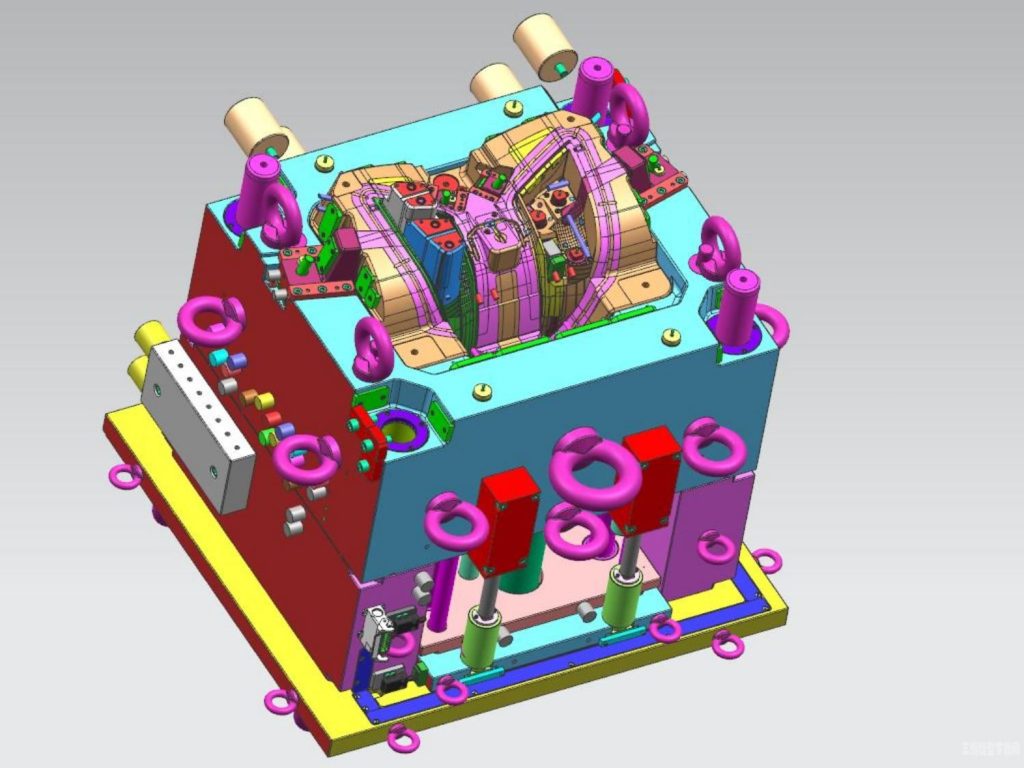
Now, let’s dive deeper into the process that transforms raw plastic into the intricate car parts we see on our vehicles. In the world of plastic manufacturing, injection molding reigns supreme. This highly efficient technique involves injecting molten plastic into a carefully crafted mold, which then cools and solidifies to form the desired car part.
The injection molding process encompasses several crucial steps, starting with mold preparation and material selection. Manufacturers carefully select the appropriate plastic type, ensuring its compatibility with the specific part’s requirements. Once the molten plastic is injected into the mold, high pressure helps ensure a consistent shape and efficient filling of intricate details.
As the plastic cools and solidifies within the mold, it takes on the desired shape. Once the cooling process is complete, the newly formed car part is ejected from the mold and undergoes post-processing treatments. These treatments may include trimming excess material, smoothing rough edges, or adding any necessary finishing touches to achieve the final product.
The precision and efficiency achieved through injection molding are truly remarkable. This technique allows manufacturers to produce large quantities of identical car parts with minimal time and material waste, ensuring a consistent and cost-effective manufacturing process.
Challenges and Innovations in Plastic Car Parts Production
While plastic car parts have revolutionized the automotive industry, concerns have been raised regarding their impact on the environment. The durability and long lifespan of these parts can contribute to significant waste production and landfill accumulation. However, the industry has not turned a blind eye to these challenges and is constantly working toward finding sustainable solutions.
Manufacturers are investing in research and development to create environmentally friendly alternatives to traditional plastics. Biodegradable and recycled plastics are emerging as promising options, reducing our reliance on non-renewable resources and minimizing the environmental footprint associated with plastic car part production. These innovative materials offer both environmental benefits and comparable performance, making them a win-win solution.
Moreover, advanced technologies are driving the sustainability revolution in plastic manufacturing. Energy-efficient production processes, waste reduction strategies, and the implementation of circular economy principles are becoming increasingly prevalent. It’s heartening to witness the commitment of the automotive industry to minimize its impact on the environment while continuing to provide high-quality, reliable vehicles.
Reinventing the Wheel: Cutting-edge Materials and Production Techniques
As technology progresses, the production of plastic car parts is not immune to innovation. Composite materials are making a splash in the automotive world, as they provide higher strength-to-weight ratios and improved performance compared to traditional plastics.
These advancements in materials and production techniques have profound implications for reducing energy consumption and emissions in the transportation sector. As we move toward a more sustainable future, the integration of lightweight and high-strength materials will continue to shape the design and performance of our vehicles.
The Future Outlook: Revolutionizing Plastic Car Part Manufacturing
The future of plastic car part manufacturing is nothing short of thrilling. As technology evolves, so does our ability to create car parts in innovative ways. One such technology that holds immense promise is 3D printing. The ability to produce intricate car parts layer by layer offers unparalleled design freedom and customizability. Additionally, advancements in nanotechnology may open doors to creating plastic car parts with improved strength, durability, and even self-healing capabilities.
Emerging trends in the automotive industry, such as electric and autonomous vehicles, are also shaping the trajectory of plastic car part production. These paradigm shifts will undoubtedly influence the materials used, driving the industry further towards environmentally friendly alternatives.
Conclusion
The production of plastic car parts is a truly fascinating process that demands precision, ingenuity, and sustainability. From injection molding to the utilization of advanced materials, these parts play an integral role in our daily lives, even if we often take them for granted.
By unpacking the magic behind the creation of plastic car parts, we gain a deeper appreciation for the engineering feats that go into manufacturing the vehicles we rely on. As the automotive industry continues to innovate and embrace new technologies, we can look forward to even more exciting developments that will shape the future of transportation.

 Russian
 English
 German
 Spanish
 French
 Italian
 Portuguese
 Japanese
 Polish
 Arabic
 Korean
 Chinese