


When it comes to manufacturing, cost efficiency is always a top priority. Two common processes in the manufacturing industry are injection molding and machining.
Moldagem por injeção
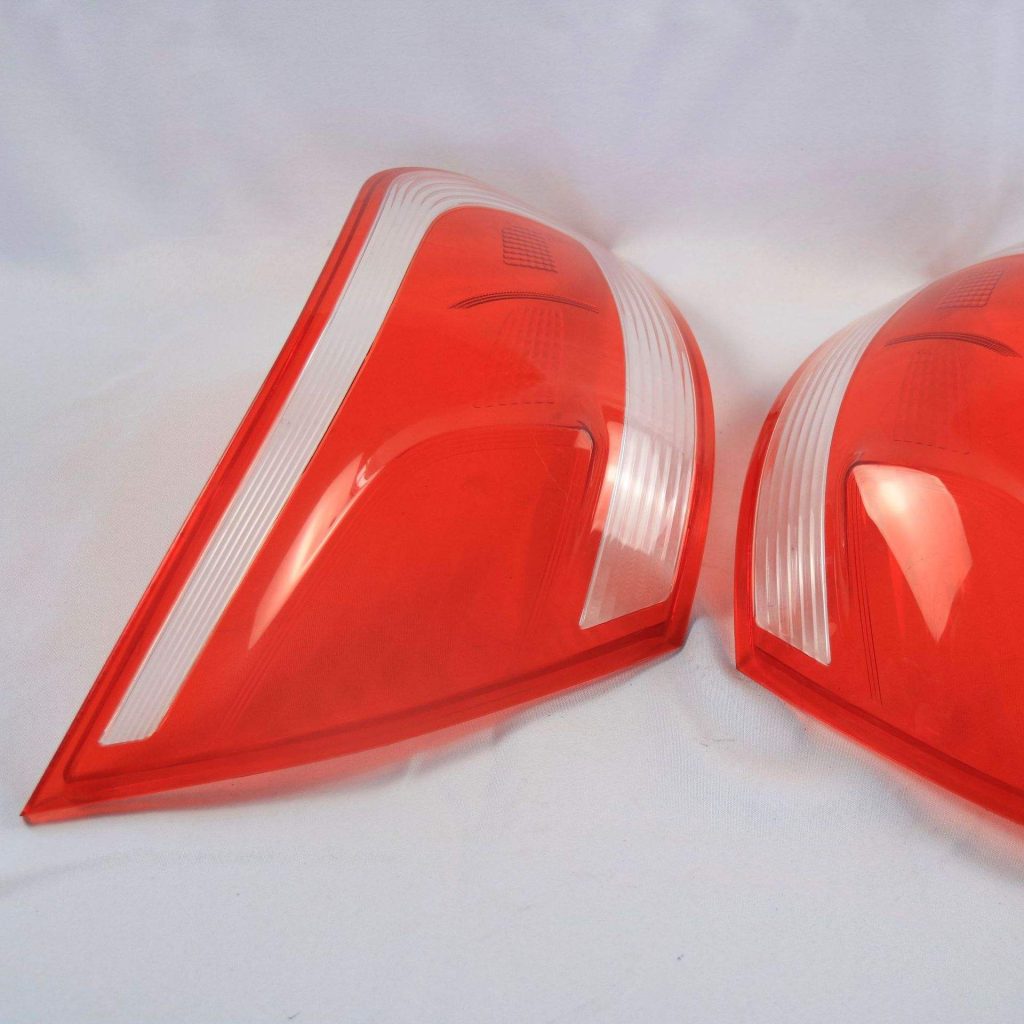
Injection molding is a manufacturing process where molten material is injected into a mold cavity to create a part. This process is known for its efficiency and speed, making it a popular choice for mass production. One of the key benefits of injection molding is its cost efficiency. The upfront costs of tooling and equipment for injection molding can be high, but the per-unit cost decreases significantly as the volume of production increases. This means that the cost per part can be much lower for larger production runs.
Factors that can affect the cost of injection molding include the type of material used, the complexity of the design, and the volume of parts being produced. By optimizing these factors, manufacturers can further reduce costs and improve efficiency.
Machining
Machining is a subtractive manufacturing process where a machine tool removes material from a workpiece to create the desired shape. Machining offers precision and customization, making it a preferred choice for producing high-quality and intricate parts. However, machining can be more costly compared to injection molding, especially for large production runs.
The cost of machining is influenced by factors such as the type of material being machined, labor costs, and the cost of tooling. Since machining is a more labor-intensive process and requires specialized equipment, the per-unit cost of each part can be higher compared to injection molding.
Cost Comparison
When comparing the costs of injection molding and machining, it is essential to consider several factors. While the upfront costs of tooling and equipment for injection molding may be higher, the per-unit cost of production can be significantly lower for larger runs. On the other hand, machining offers precision and customization but may result in higher costs per part.
Case studies and examples can help illustrate the cost comparison between injection molding and machining. For instance, producing a large quantity of simple parts may be more cost-effective using injection molding, while machining may be the better option for producing a small volume of complex parts with tight tolerances.
Conclusion
When it comes to deciding between injection molding and machining, it is crucial to consider not just the initial cost but also factors such as production volume, design complexity, and long-term cost savings. While injection molding is often the more cost-effective option for high-volume production runs, machining may be the preferred choice for low-volume or highly customized parts.
By understanding the cost comparison of these two manufacturing processes and considering the specific requirements of the project, manufacturers can make informed decisions to optimize cost efficiency and achieve the desired outcome.

 Portuguese
 English
 German
 Spanish
 French
 Italian
 Japanese
 Polish
 Arabic
 Korean
 Russian
 Chinese