


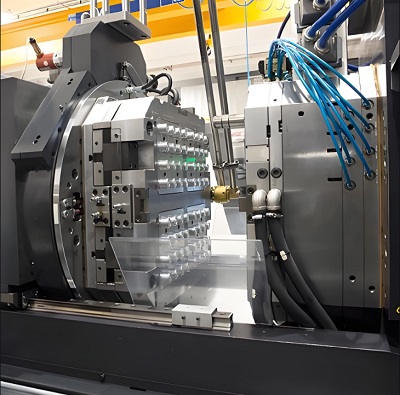
Introduction: Welcome to our comprehensive guide on injection mold and stamping mold maintenance. Proper maintenance is crucial for keeping your molds in optimal condition and ensuring consistent production quality. Neglecting maintenance can lead to costly repairs and production downtime. Let’s dive into the essential maintenance practices for injection molds and stamping molds.
Injection Mold Maintenance
Cleaning Procedures: One of the fundamental maintenance tasks for injection molds is regular cleaning. Over time, molds can accumulate residue and buildup from the materials being processed. It’s essential to clean the mold thoroughly to prevent defects in the final products. Make sure to remove any residue, inspect and clean cooling channels, and lubricate moving parts.
Inspection and Repair: Regular inspection is key to identifying any wear and tear on the mold components. Check for signs of damage and address any issues promptly to prevent further problems down the line. Repairing damaged components is crucial to maintaining the efficiency and lifespan of the injection mold.
Storage and Handling: Proper storage and handling practices can also contribute to the longevity of custom injection molds. Store molds in a clean and dry environment to prevent contamination. When handling the molds, be gentle to avoid any accidental damage. By following these tips, you can extend the lifespan of your injection mold and ensure consistent performance.
Stamping Mold Maintenance
Cleaning and Lubrication: Stamping molds also require regular cleaning and lubrication to operate smoothly. Removing debris and buildup, lubricating moving parts, and maintaining the surface finish are essential tasks in stamping mold maintenance. Proper cleaning and lubrication help prevent defects and ensure the quality of stamped products.
Inspection and Repair: Inspecting stamping molds for wear and tear is vital to identifying and addressing any issues. Replace damaged components to prevent production delays and maintain the efficiency of the stamping mold. By proactively addressing potential problems, you can ensure the longevity of your stamping mold.
Preventative Measures: Implementing regular inspections, proper storage, and handling techniques are preventative measures that can help minimize the risk of mold damage. By establishing a maintenance routine and following best practices, you can maximize the efficiency of your stamping mold and reduce the likelihood of unexpected issues.
Common Challenges and Solutions
Addressing issues with parting lines: Parting lines on molds can be prone to wear and tear. Regular maintenance and polishing can help prevent issues with parting lines and maintain the quality of the final products.
Dealing with mold corrosion: Mold corrosion can occur due to various factors, including humidity and material interactions. Using corrosion-resistant materials and implementing proper cleaning and storage practices can help prevent mold corrosion.
Preventing warping and other defects: Warping and other defects in molds can impact the quality of the final products. By monitoring the molding process, adjusting parameters as needed, and maintaining proper mold temperature, you can prevent warping and other common defects.
Troubleshooting common molding problems: It’s essential to be familiar with common molding problems and their root causes. By troubleshooting issues promptly and making necessary adjustments, you can minimize production delays and ensure consistent product quality.
Conclusion
In conclusion, regular maintenance is key to keeping injection molds and stamping molds in optimal condition. By following the maintenance practices outlined in this guide, you can prevent costly repairs, production downtime, and quality issues. Remember to prioritize maintenance for your molds to ensure smooth production processes and high-quality final products.
Contact sales@yuanfang.com for more engineering support.
 Portuguese
 English
 German
 Spanish
 French
 Italian
 Japanese
 Polish
 Arabic
 Korean
 Russian
 Chinese